

I have led design teams at Google, Amazon, Meta, PayPal, and startups, working on complex problems that reach billions of people. But some of my most important lessons didn't come from tech. They came from a chef, an architect, a hematologist, a DJ, and plenty of others. Design principles travel, even when the medium doesn't.
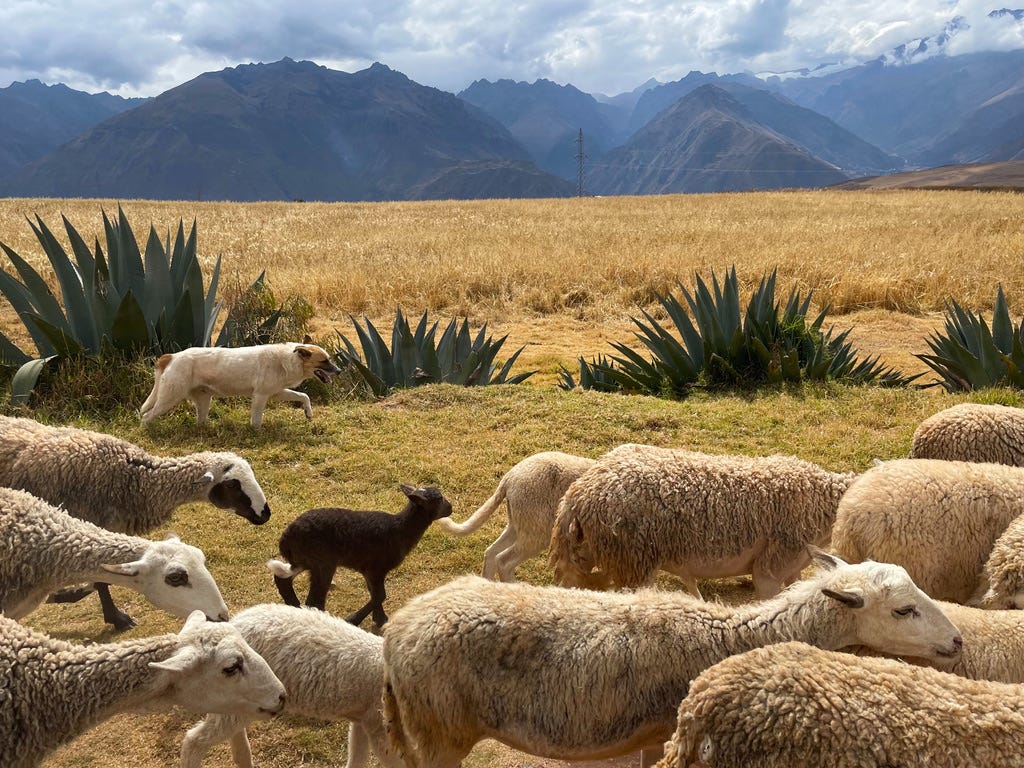
I found one of those lessons in the Peruvian Andes. A restaurant 11,500 feet above sea level, built from the same earth as the hillside, serving ingredients grown within sight of the kitchen.
The road from Cusco climbs through high meadows for about ninety minutes. When you finally arrive, it doesn't look like a restaurant. It looks like the hillside grew a building. Adobe walls the color of the surrounding earth. Thatched roofs. A metal logo, MIL, embedded in the chimney, the only sign you've found the right place.
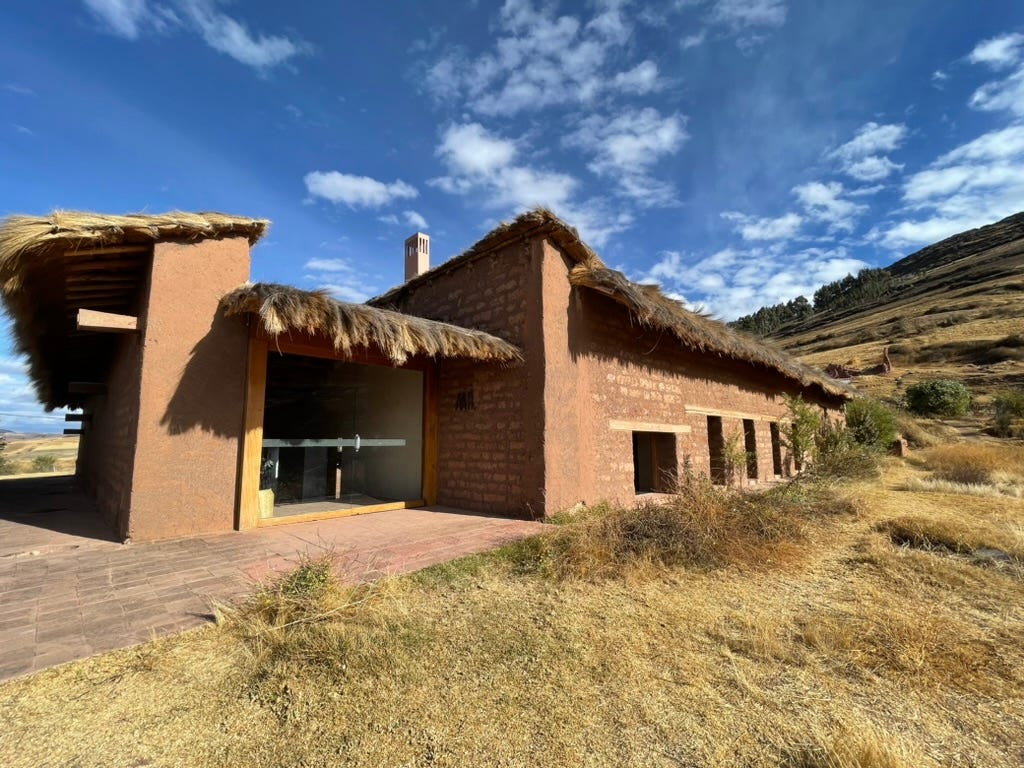
The building was austere, almost severe against the landscape. But that simplicity was deliberate. When the first dishes arrived, the contrast between those spare walls and the care on each plate was immediate. Simple elegance rooted in deep traditions.
I'd traveled to Peru for a five-day trek through the Andes, a way to challenge myself with something unfamiliar before starting a new chapter. The meal turned out to be the beginning.
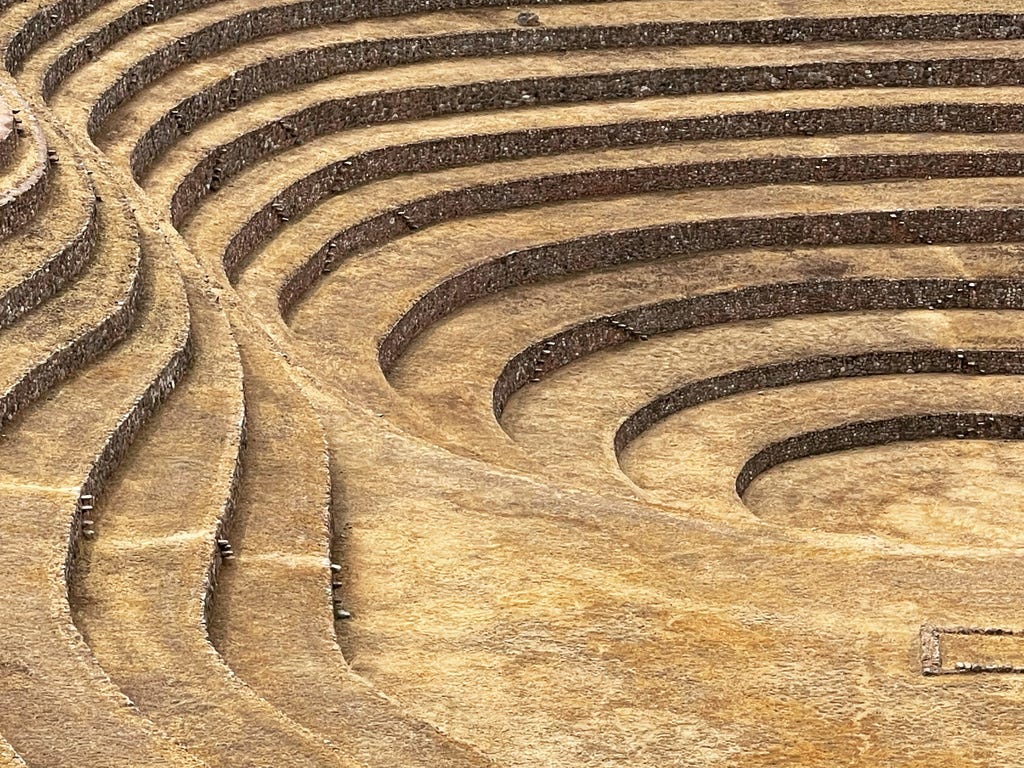
At 11,500 feet, your lungs notice the altitude before your eyes adjust. The restaurant sits on a plateau next to Moray, an archaeological site where the Incas carved concentric circular terraces into the earth. Essentially an ancient agricultural research station. Each level creates its own microclimate, letting farmers test how crops performed across different temperature gradients. Five hundred years before anyone called it science, the Incas were running controlled experiments.
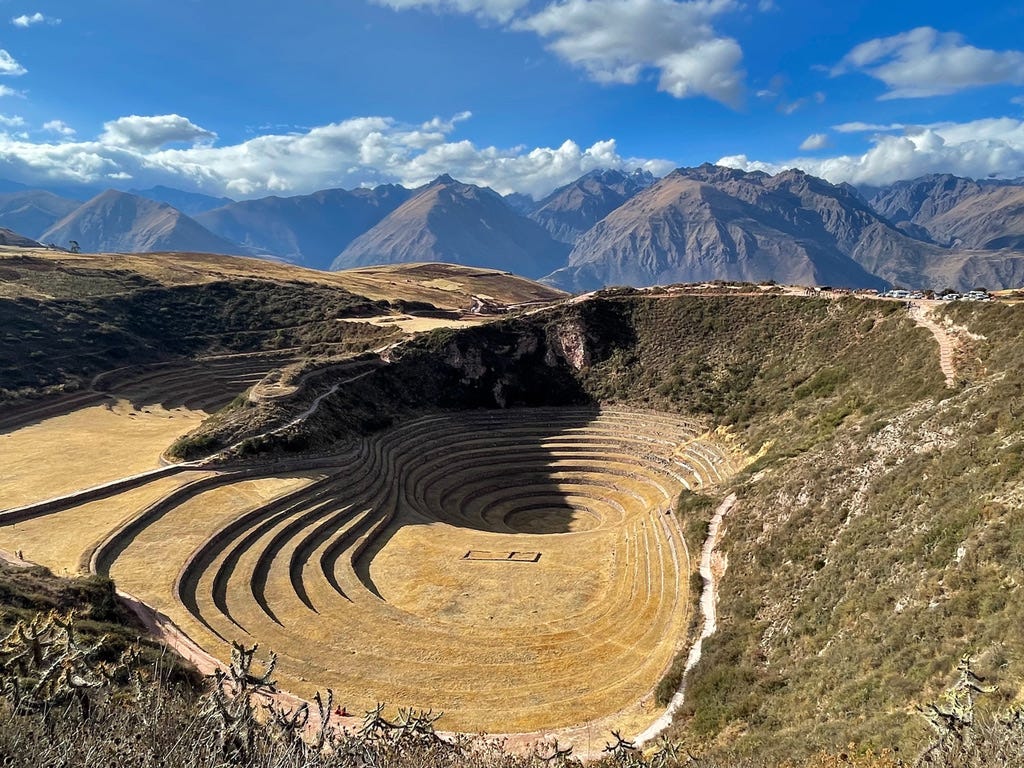
The Sacred Valley once formed the heart of an empire stretching from Colombia to Chile. MIL sits at the edge of what they built: a restaurant designed to continue what the Incas started.
MIL exists because of those terraces. The rule is simple: only ingredients from this altitude, this place, these communities. Everything else follows.
MIL is a family operation. Virgilio Martínez, the chef whose Lima restaurant Central was named the world's best by the World's 50 Best Restaurants in 2023, conceived it with his wife Pía León. But the intellectual architecture comes from Virgilio's sister, Malena Martínez, a physician who became research director of Mater Iniciativa.
Mater is what makes all of it possible. The mission is preservation: documenting Peru's endemic species, understanding indigenous food systems, building partnerships with local communities. The team includes anthropologists, biologists, and ethnobotanists alongside cooks.
“There is a whole ecosystem linked to every produce,” Malena has explained, “and everything has a function in that system.”
The concern is real: every time Mater documents an ingredient, they risk creating demand that the ecosystem can’t sustain. So they move carefully, working with communities to understand what increased interest might mean for the people who’ve harvested these ingredients for generations.
Virgilio puts it simply: "It's not about doing your recipes, being creative and seeing yourself as 'I create this.' It's not about creation... We have to create more empathy in our dishes. Let's take that force and empower our farmers, our producers, to make greater things.”
The goal isn’t to create something new. It’s to participate in something that continues.
Paul Rand, the legendary graphic designer, once said: “Don’t try to be original. Just try to be good.”
I kept thinking about that line as the courses arrived. MIL isn't chasing novelty. It's trying to honor something old with enough clarity that it is fresh. That's harder than invention. You have to understand what exists deeply enough to know what to strip away.
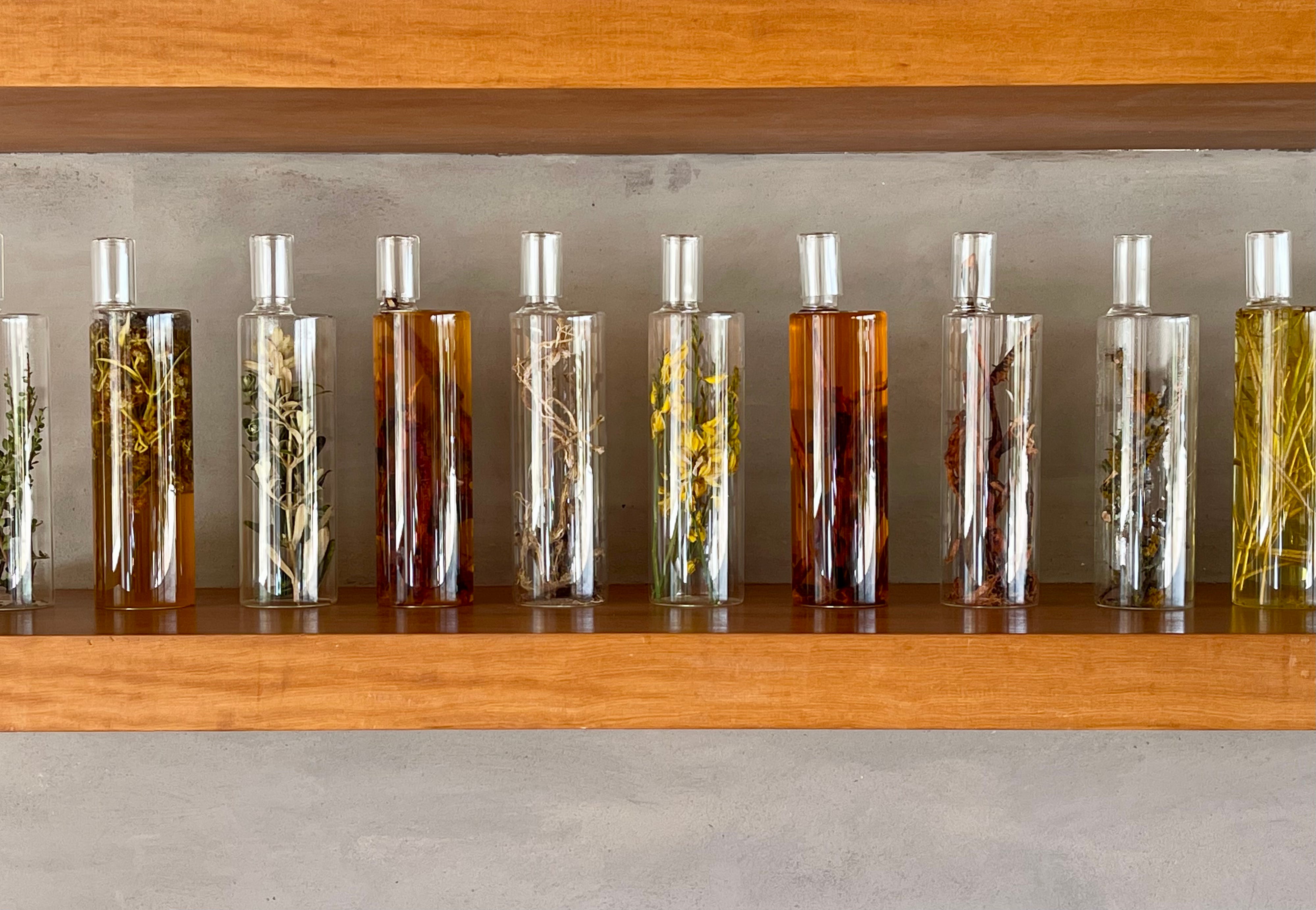
The space shows you this. Quiet. Contemplative. Pressed botanicals on the walls, labeled in handwriting. Glass jars holding specimens. Educational displays that teach you about the ecosystem before you eat from it. Nothing competes for your attention. Everything serves the same purpose.
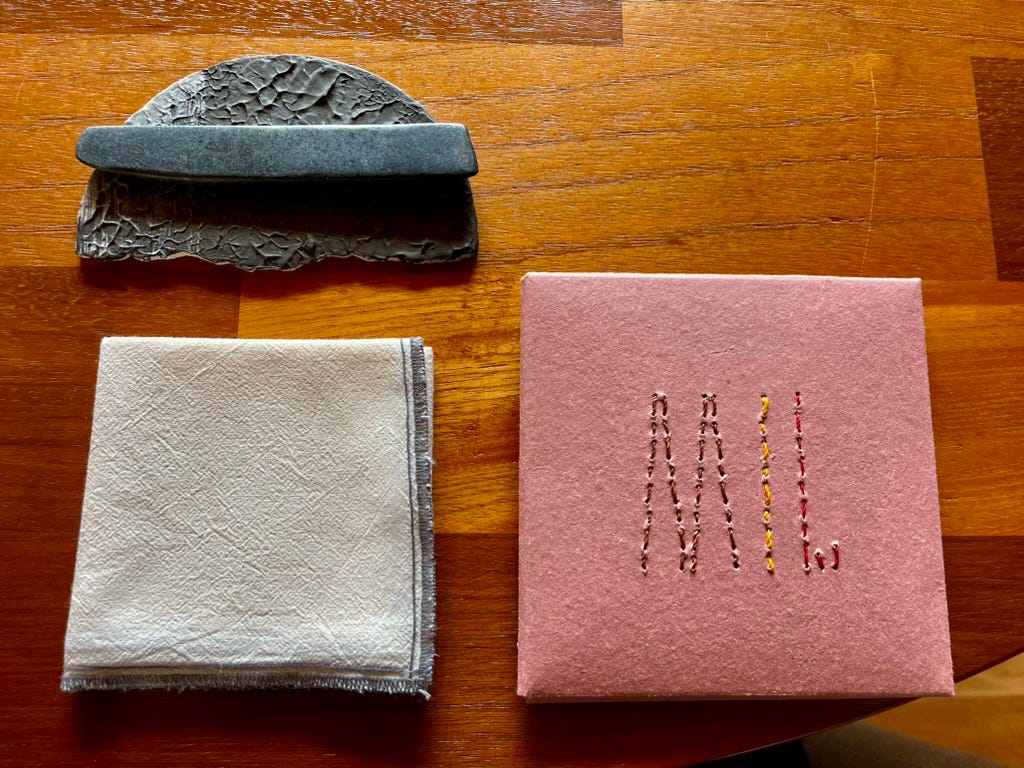
The menu works the same way. Hand-stitched cover. Cards printed on textured paper. Eight courses, each named for an ecosystem and an altitude. The design is spare. What sits underneath it is not.
Preservation
chuño · corn · uchucuta sauce · oxalis
The meal opens with time.
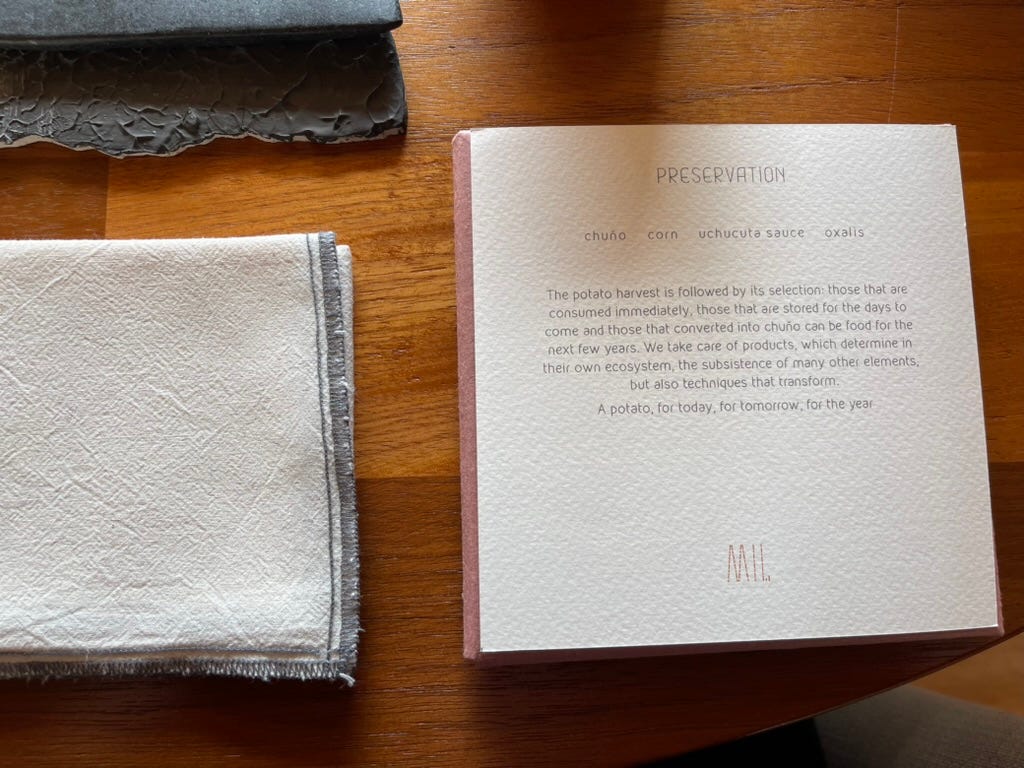
The card reads: “The potato harvest is followed by its selection: those that are consumed immediately, those that are stored for the days to come and those that are converted into chuño can be food for the next few years. We take care of products, which determine in their own ecosystem, the subsistence of many other elements, but also techniques that transform. A potato, for today, for tomorrow, for the year.”
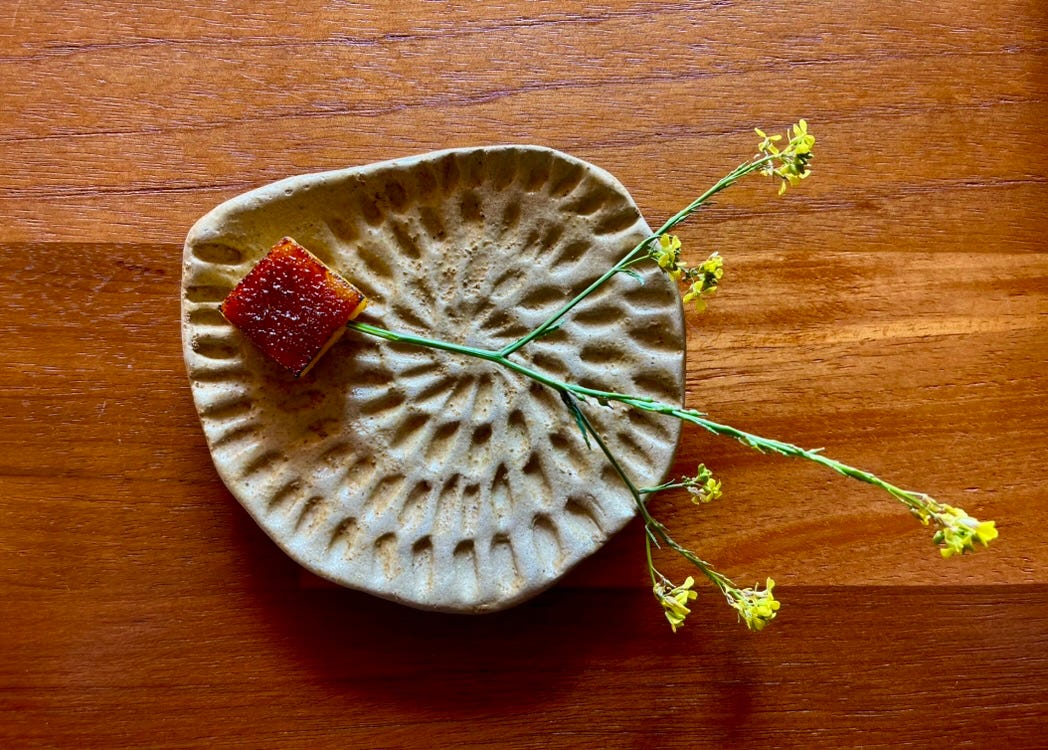
Three temporal horizons in a single ingredient.
Chuño is freeze-dried potato, a preservation technique developed in the Andes thousands of years ago. You leave potatoes out in the freezing mountain nights, press out the moisture, then dry them in the sun. The result lasts for years.
The restaurant didn't invent this system. It joins it.
Altitudes
the framing
The next card states the constraint explicitly: “The circular terraces have determined that our way of connecting with the environment is strictly vertical, and always thinking about the unevenness of the Andes and the hundreds of cultivars that were achieved.”
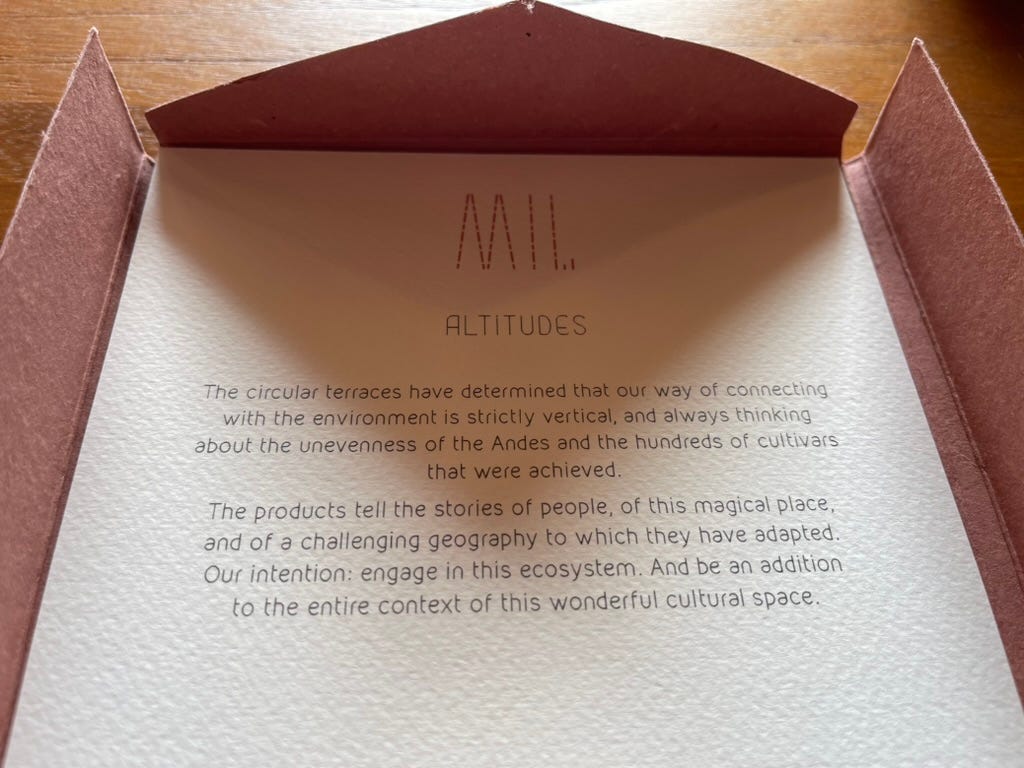
Not horizontal. Not global. Vertical. Everything that follows emerges from that single decision.
“The products tell the stories of people, of this magical place, and of a challenging geography to which they have adapted. Our intention: engage in this ecosystem. And be an addition to the entire context of this wonderful cultural space.”
Engage, not dominate. An addition, not a replacement.
Altiplano
cabuya · pato · kañiwa · cushuro
The card reads: “At over 3,800 meters high, on flat land, where almost nothing seems to resist, it is necessary to pay detailed attention of everything that does exist. See the tiny leaves peeking out from ground level, or plants that served to fence land and later exploited for its nectar. Then, the plants of Andean grains, with long panicles looking towards the sky, and bodies of water as life systems that house hundreds of other species to admire.”
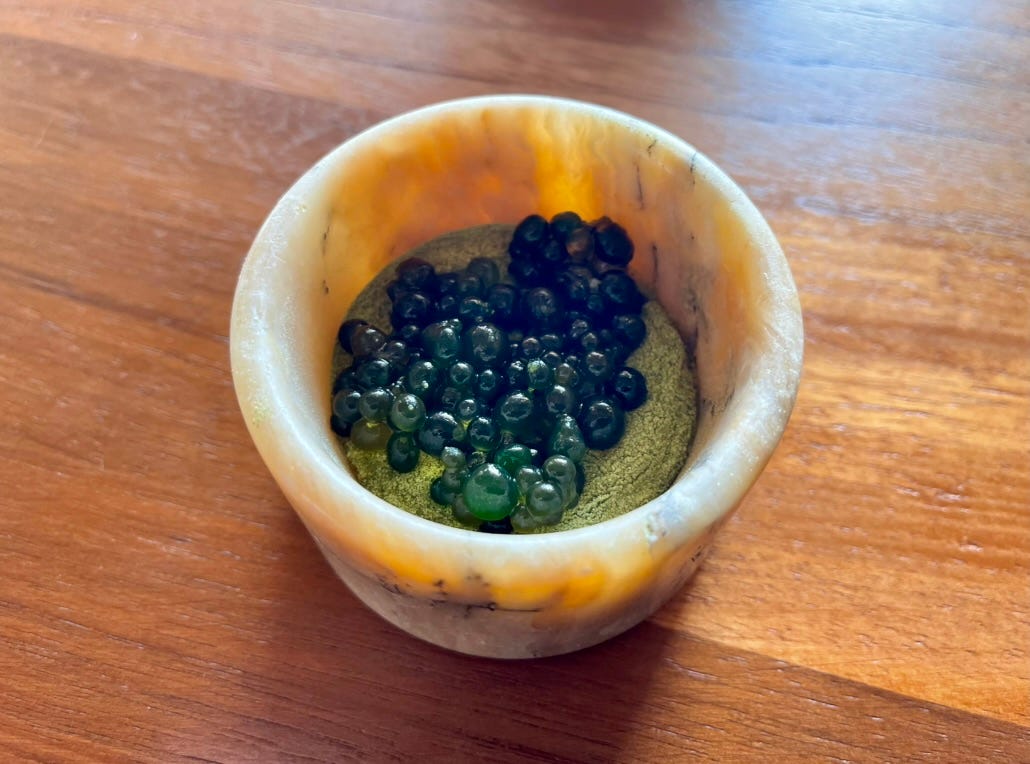
One element stopped me. Cushuro. Dark spheres in a stone bowl, glistening. A cyanobacteria that grows in high-altitude freshwater lakes. I'd never heard of it. I have never seen anything like it.
The flavor, the texture, the strangeness of finding it here on a plate. Something precious, harvested from lakes above 13,000 feet, rich in protein and iron. A hedge against malnutrition in communities where food security depends on altitude and weather. When it rains, women and children from Andean villages gather cushuro from the lakes. Malena Martínez describes it simply: "It's like a game. This has happened for ages."
Something that has sustained communities for centuries, invisible to most of the world. And here it was on a plate in front of me. The restaurant didn't invent cushuro. It built the conditions for someone like me to discover it, and for the communities who harvest it to benefit from that discovery.
Extreme Altitude
alpaca · black quinoa · multigrains · airampo fruit
The card reads: “There, where each step is more demanding. High, where we arrived unintentionally, following yet another route, guided by a character, which leads us to an extension of his land. An extreme place that has been known to accommodate hundreds of cultivars that take root strongly in the earth, and cactus fruits of vibrant colors that break up the monochromatic landscape.”
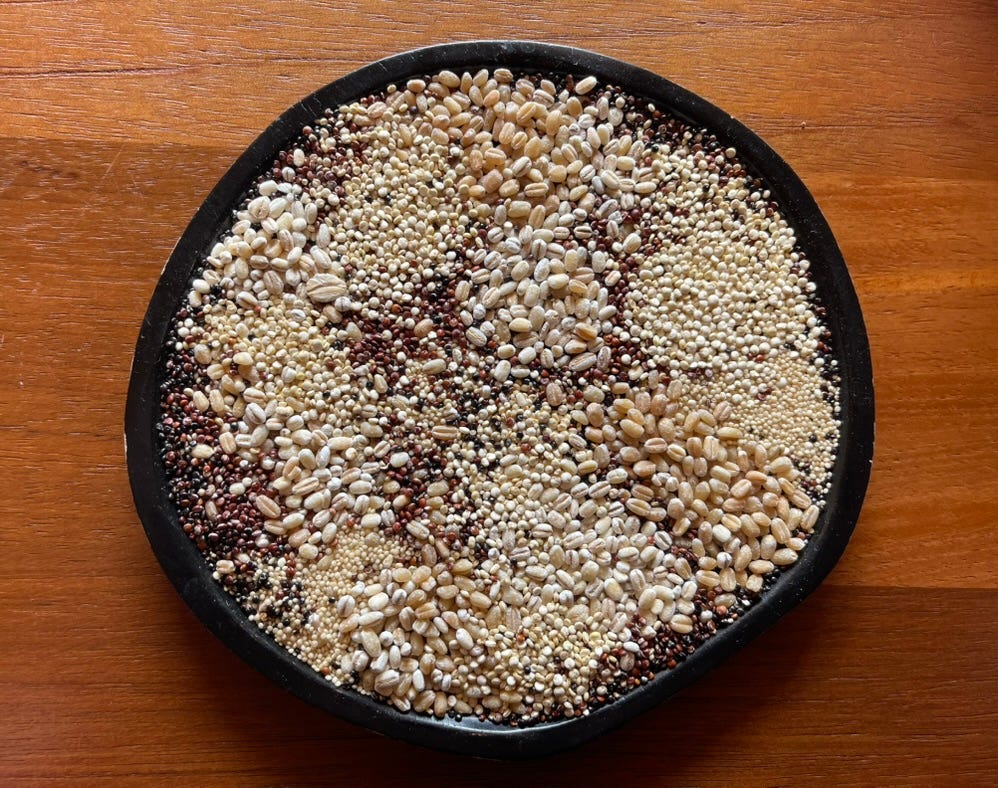
Above 13,000 feet, where each step costs you, the land produces the most variety. Hundreds of cultivars adapted to conditions that would seem to permit nothing. Constraint breeds diversity.
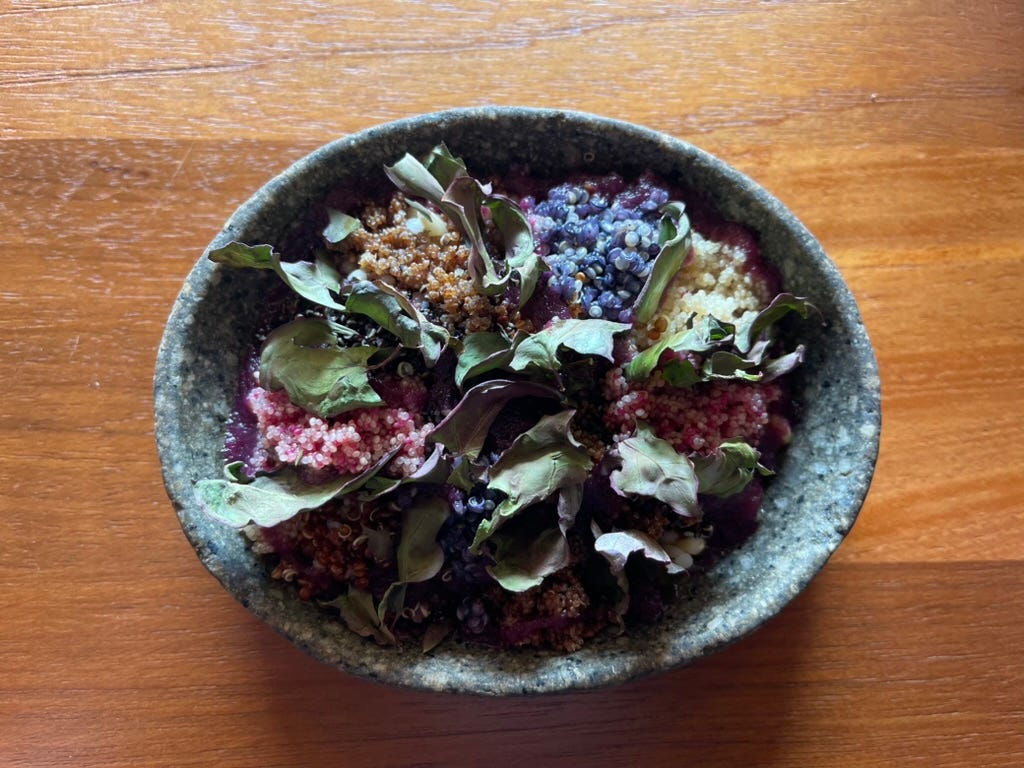
One dish made it visible. Multiple varieties of quinoa, each a different color, each adapted to a slightly different altitude or soil condition, gathered into one stone bowl. Constraint didn't limit what grew here. It multiplied it.
We tend to assume that opening up possibilities leads to better outcomes. But the opposite is often true. The tighter the boundary, the more creative you have to get.
Corn Diversity
piscoronto · chullpi corn · urubamba corn · fresh cheese
The card reads: “During harvest months, towards the first half of the year, the Valley offers a spectacle of different corns. For hours men and women dedicate themselves to removing the corn husks, stacking them into mountains of colors that dress their fields. As Apus. Gods of diversity.”
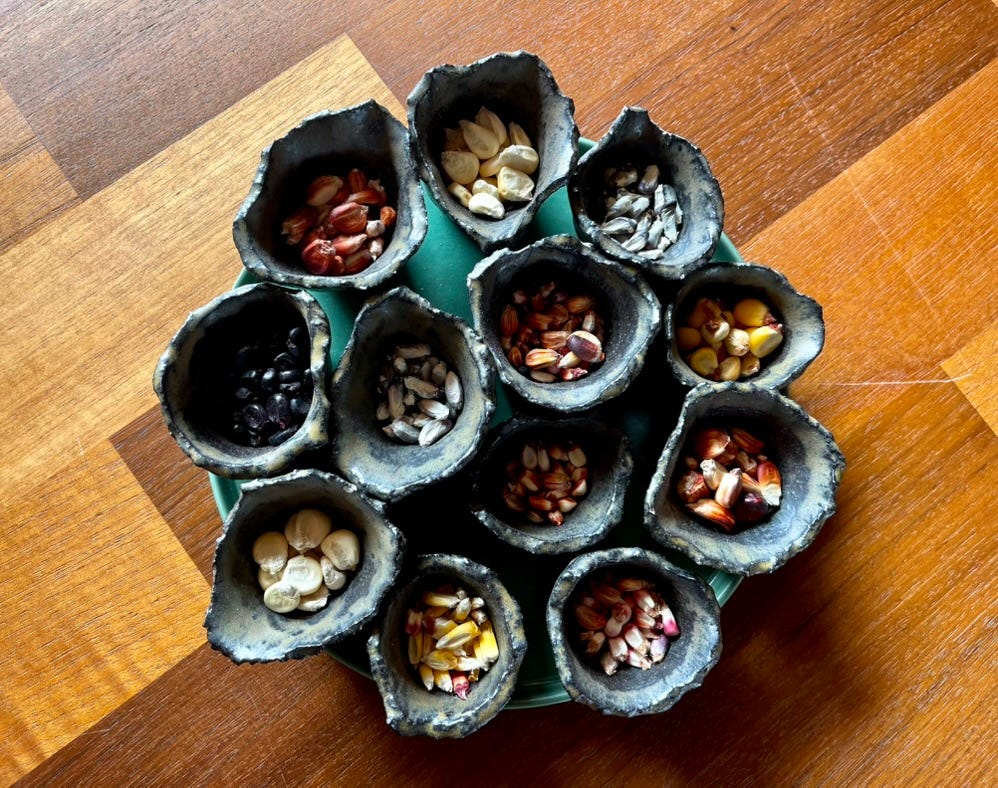
Twelve varieties of corn, each in its own hand-formed vessel. No two the same color, size, or shape. All from the same narrow corridor of land. This isn't agricultural output. It's thousands of harvests made visible, each one a communal act of selection and care.
The harvest isn't efficient in a modern sense. It's slow, collective, intergenerational, closer to ritual than production. And from that process emerges something no industrial operation could replicate: corn varieties developed over centuries for this place, this altitude, these communities.
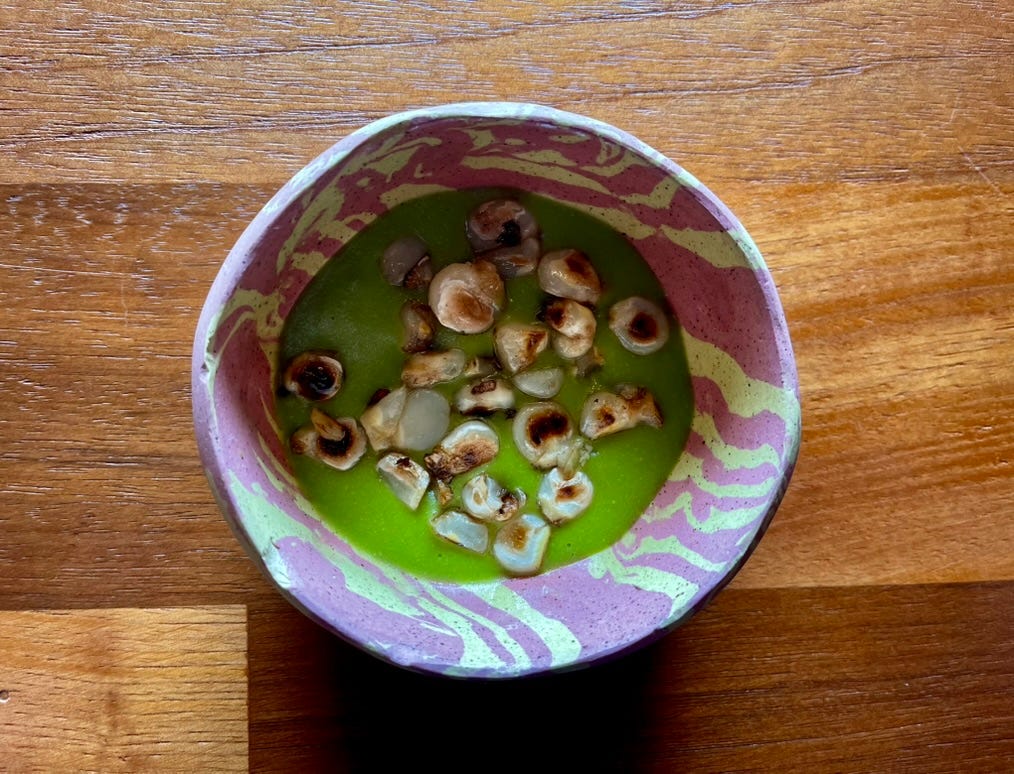
A bright green broth, toasted kernels scattered across the surface. One of several corn dishes that moved through the meal, each from a different variety, each with its own texture and depth. The diversity that looked so striking in those raw vessels became something quieter on the plate. Subtler. But unmistakably varied.
What's on the plate is more than ingredients. It's people, place, traditions, time.
Central Andes
potatoes · stems · chaco clay · markhu leaves
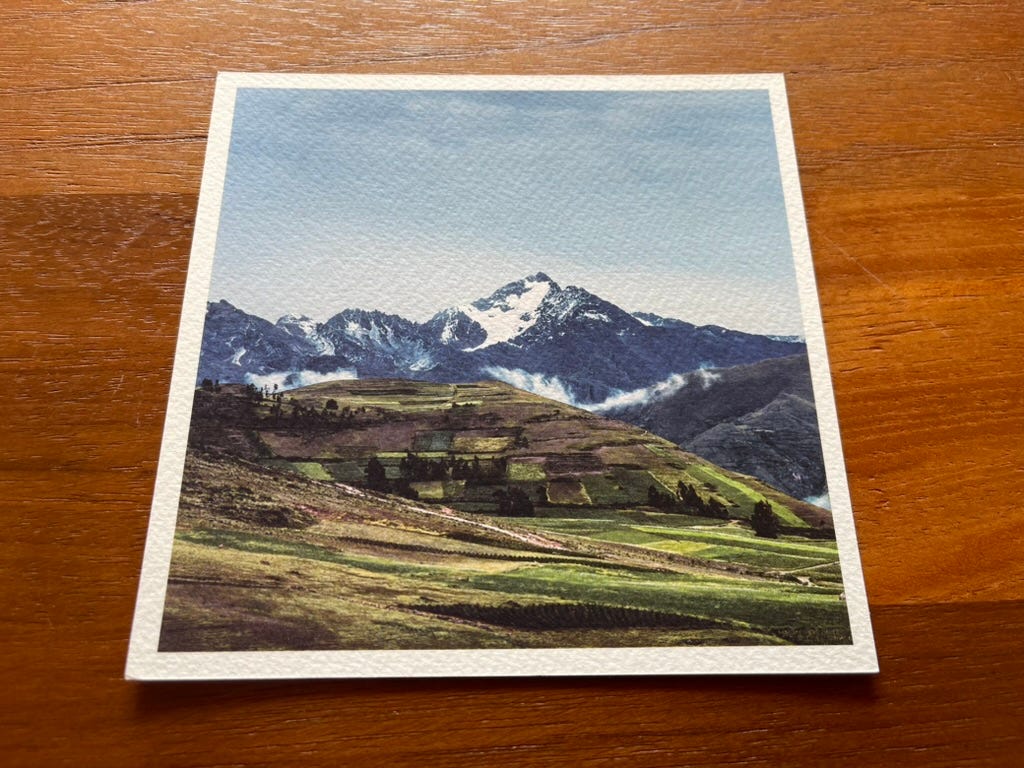
The card reads: “Markhu is a very warm plant, to be used with care. Useful plants in the Andes are classified as warm or cool, females or males, white or black, and fulfill different functions according to their category, which determine their ability to restore balance. If evil is cold, markhu ‘restores us.’”
A taxonomy built on balance, not just utility. Warm and cool. Male and female. The indigenous communities around Moray developed classification systems for plants that consider properties Western science doesn’t measure.
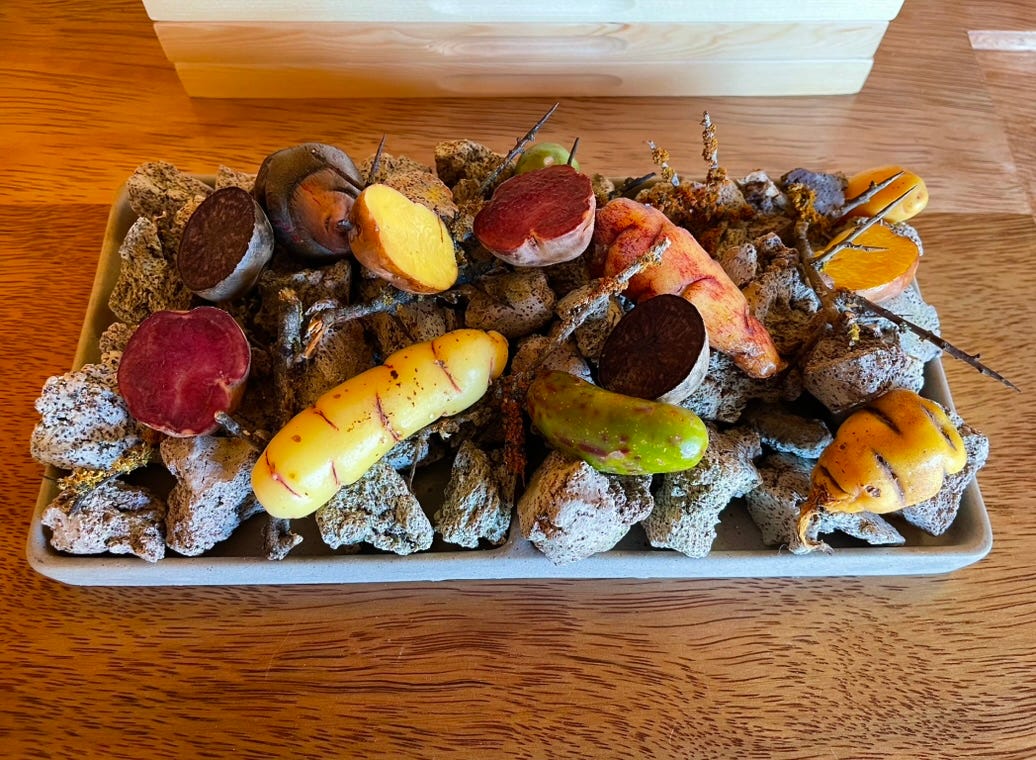
Peru cultivates over 4,000 varieties of potatoes and edible tubers. At MIL, they arrive at the table looking like they've just been pulled from the ground, which, in a sense, they have. The presentation doesn't say "look how creative we are." It says "look what was here all along.”
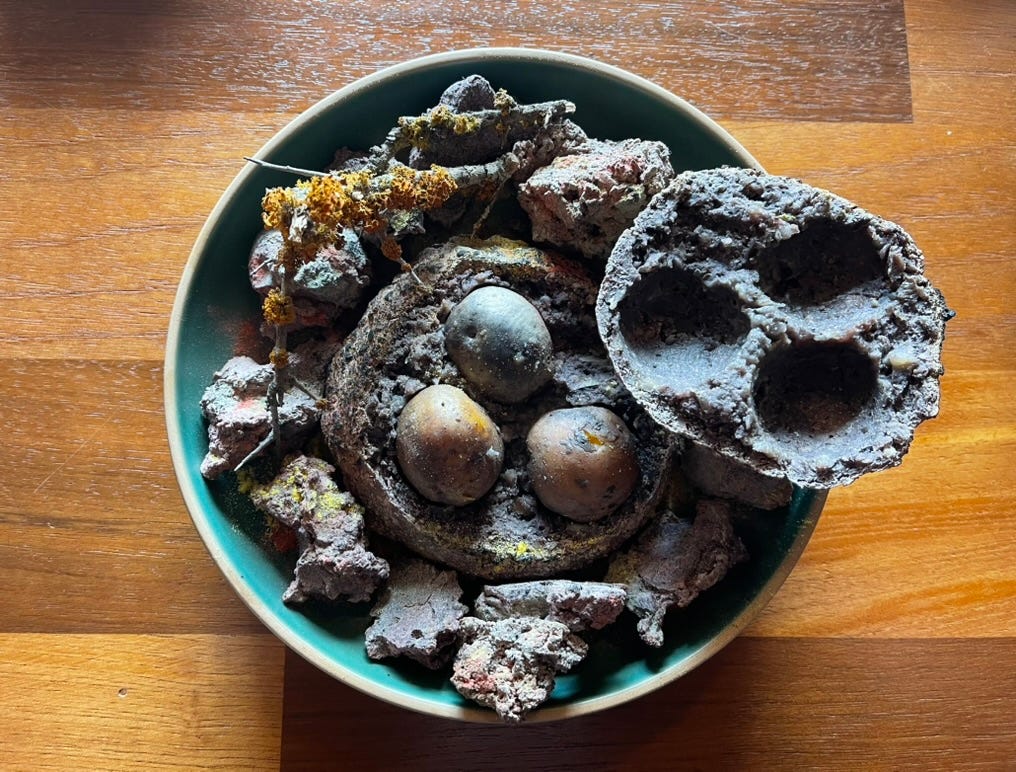
This is craft without a single author. The work of generations, accumulated through attention, passed down through practice. What arrives at the table isn't a chef's invention. It's evidence of a design process so slow and distributed that we barely recognize it as design at all.
Andean Forest
tarwi · pork · kallampa mushroom · rocoto pepper
The card reads: “A magical high forest, with ancient trees, with trunks that seem to flake off, the queñuales, home of cocoons and chachacomos. Mushrooms that occur every rainy or very humid days, and lupinus flowers, tarwi, appear to shade both green and ocher with purple.”
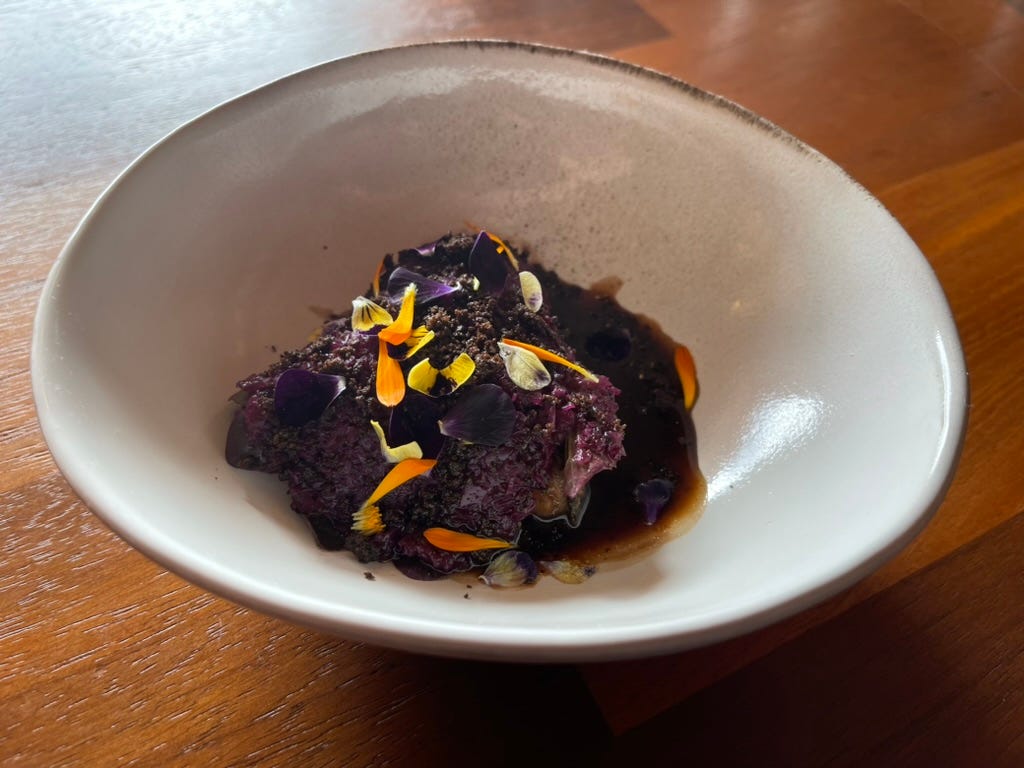
Purple pork in dark sauce, scattered with petals. You see the forest floor before you taste it. Nothing exists in isolation. The mushrooms appear because of the rain. The lupinus flowers shade the forest floor. The dish arrives as a system, not a collection of ingredients.
Frozen Cordillera
qolle · muña · tuber ashes
The card reads: “When you look towards the peaks of the mountain gods (Apus) from where we are, you can’t help but imagine yourself in that place, at a temperature below zero, in which one and several decided to settle, despite its challenges. Higher than 11,500 ft (3,500 meters), accompanied by wilderness that resists and what ancestors tamed with extreme skill.”
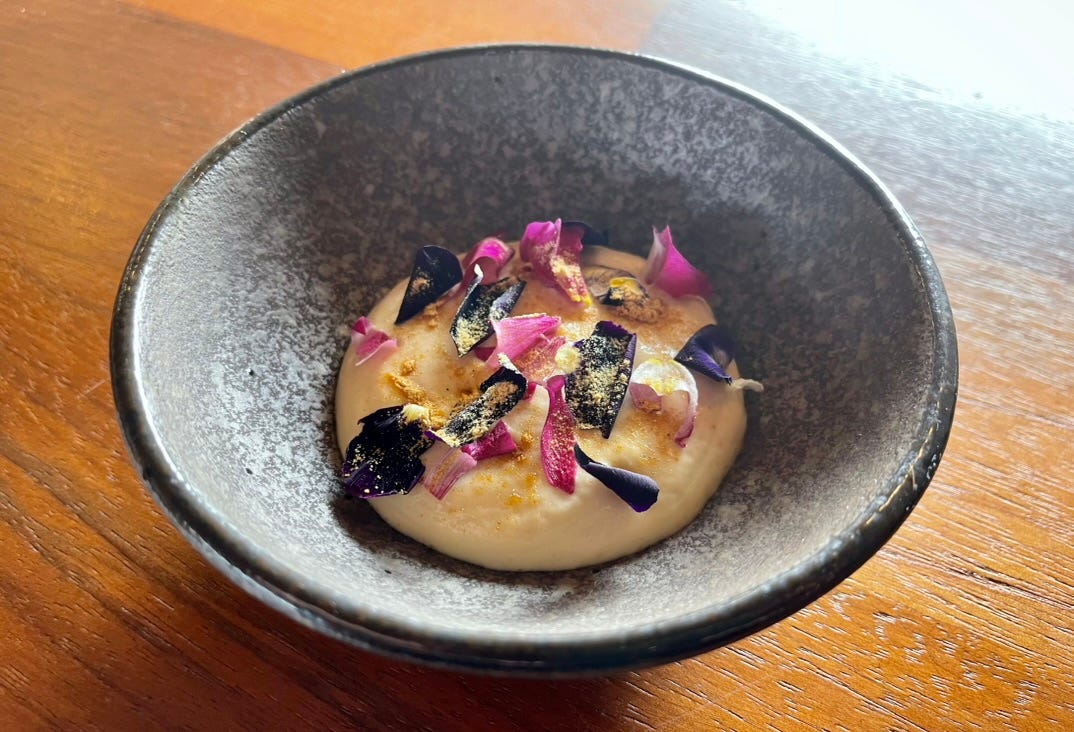
The people who first settled at these altitudes were solving problems we can barely imagine. Less than 0.2% of humanity lives this high.
The knowledge held in their techniques (how to preserve food, which plants restore balance, when to harvest cushuro) represents centuries of experimentation by communities the rest of the world barely knows exist.
MIL doesn't claim credit for this work. It builds the conditions for it to continue.
Sweet Huatia
mullaska · cacao · malva
The final course arrives with the simplest card of all: “A huatia is a pause after a day of hard work in the fields. The most rewarding work, to collect what has been waited for months and a year. A celebration, conscious and consistent effort. Sweet, to reward us for being. Here and now.”
The meal ended. Sitting in the quiet, the through line was clear: attention to people, craft aligned with community, trust earned over centuries.
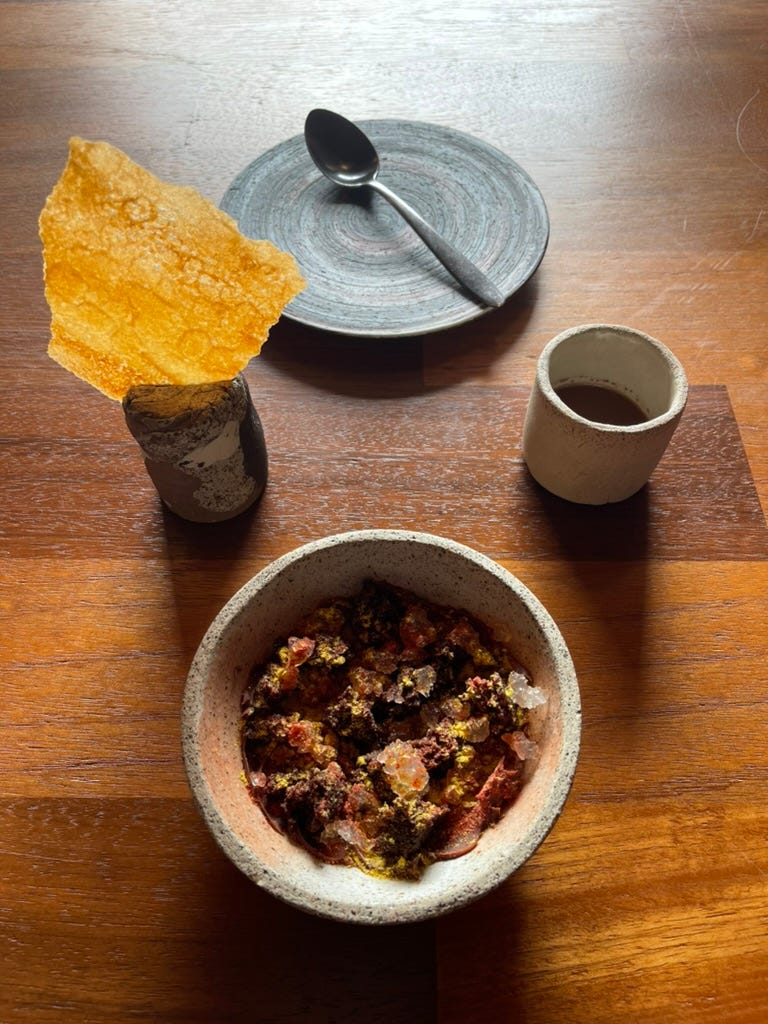
I sat with that for a while. The quiet of the room. The view of the terraces through the window. The sense that I’d just experienced something that couldn’t be extracted from this place and reassembled somewhere else.
Twenty-four dishes over eight courses, each one crafted with the same attention, all of it at 11,500 feet, from ingredients grown within sight of the kitchen.
In my work, understanding customers means surveys, interviews, data, testing concepts. But the research here was different. It was about landscape and ritual and heritage. About ingredients that have sustained communities for centuries. And they'd found a way to bring all of that to the table in a form that was delicious, yes, but also moving. Educational. They honored knowledge rather than just presenting it.
The next morning, I started hiking. Five days through the Andes, ending at Machu Picchu. But the real exploration had started the night before. MIL had shifted something. I was paying closer attention. Curious about what I didn't know. The landscape had been teaching people for centuries. I was just the newest student.
Most people won't make it to MIL. It's a long drive from Cusco, in a landscape that demands your attention just to breathe. But that's part of why I wanted to write about it, to share what I found there, and what it taught me.
The meal taught restraint. Honoring what exists rather than chasing what's new. Designing for a place so deeply that the design and the place become inseparable.
The local farmers and foragers now have a market for ingredients that sustains their families. The techniques being documented are passing to the next generation. The communities around Moray have an economic stake in preserving knowledge that might otherwise fade. The impact spreads in ways the restaurant can't predict or control.
Most of us aren’t starting from zero. We inherit systems, traditions, knowledge that others built. The question isn’t whether we can create something original. It’s whether we can honor what we’ve received well enough that others carry it forward.
A restaurant designed to continue what the Incas started. The traditions don’t belong to MIL. But they reach further because MIL exists.
That's the pattern this series explores: how impact cascades beyond the people who started it.
Welcome to Designing Impact, a series from Scott Hines, who has led design at Amazon, Google, Meta, PayPal, SoFi, and startups building products and teams whose work continues to reach billions of people.